 By Mobshopio.us@mobshop.io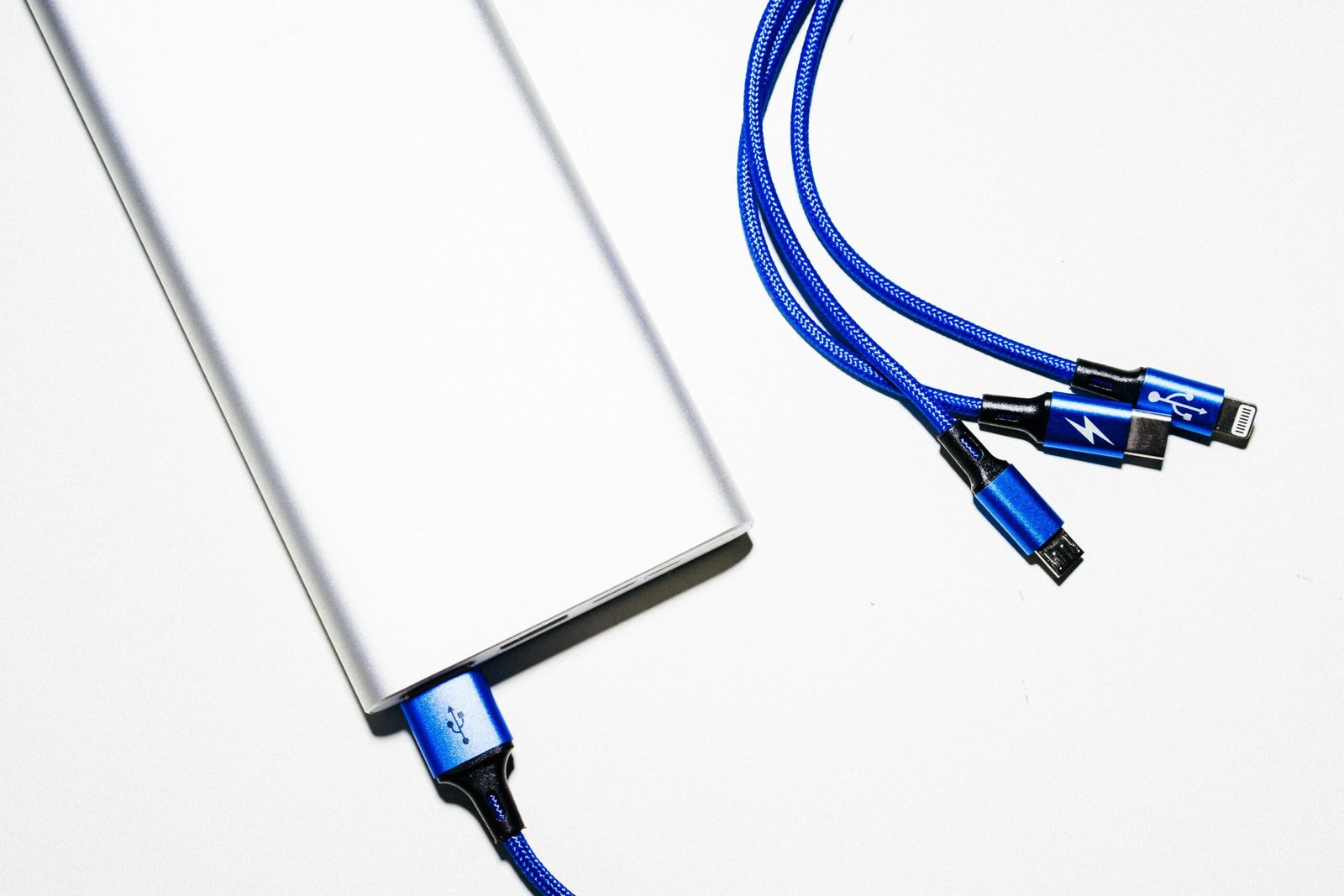
Introduction
Mobile devices are used for communication, work, entertainment, navigation, payments, and social interaction. These devices depend on battery power, and daily usage often leads to frequent charging needs. When electricity is not available, users depend on portable charging solutions.
Portable power banks are devices that store electrical energy and provide it to mobile devices when required. They support everyday usage by ensuring that smartphones and other devices remain active throughout the day. These devices are widely used in homes, offices, travel, and outdoor environments.
This article explains portable power banks, their working system, internal structure, charging process, usage scenarios, safety systems, compatibility, maintenance, and their role in daily mobile usage.
Importance Of Portable Charging In Daily Life
Mobile devices are used continuously throughout the day. Many applications run in the background, and users frequently access internet services, messaging platforms, and multimedia content. This leads to battery drain.
Portable charging becomes important because:
- Devices are used for long hours
- Charging points are not always available
- Travel increases battery consumption
- Work requires continuous device availability
- Emergency communication depends on active devices
Portable power banks provide a solution by offering stored energy whenever needed.
Understanding Portable Power Banks
A portable power bank is a rechargeable energy storage device. It stores electrical energy in internal batteries and releases it when a device is connected.
Portable power banks are designed for:
- Mobile phones
- Tablets
- Smartwatches
- Wireless earbuds
- USB-powered devices
They are widely used because they provide independent charging without direct electricity access.
How Portable Power Banks Work
Power banks function through energy storage and energy transfer.
Charging The Power Bank
The device is charged using electricity from a wall adapter or USB source. Energy is stored inside internal battery cells.
Energy Storage Phase
Electrical energy remains stored in the battery until required.
Device Connection
When a mobile device is connected, the power bank detects the connection.
Energy Transfer Phase
Stored energy is transferred from power bank to device through a cable.
Regulation Phase
The system controls voltage and current to ensure safe charging.
Components Of Portable Power Banks
Battery Cells
Battery cells store electrical energy. Most power banks use lithium-ion or lithium-polymer cells.
Power Management System
This system controls charging, discharging, and energy distribution.
Input Port
Used to recharge the power bank.
Output Port
Used to charge external devices.
Control Circuit
Manages safety functions and power flow.
Types Of Portable Power Banks
Standard Power Banks
Basic models used for simple mobile charging needs.
High Capacity Power Banks
Designed for multiple charging cycles and longer usage.
Fast Charging Power Banks
Support faster energy transfer for compatible devices.
Solar Power Banks
Can be charged using sunlight and used in outdoor environments.
Multi Port Power Banks
Allow charging of multiple devices at the same time.
Role Of Power Banks In Everyday Usage
Portable power banks support daily mobile usage in different situations.
Home Use
Used as backup when electricity is unavailable.
Office Use
Support charging during work hours and meetings.
Travel Use
Used during long journeys and commuting.
Outdoor Use
Used in camping, hiking, and field activities.
Charging Capacity And Usage
Capacity determines how much energy a power bank can store.
Low Capacity Units
Suitable for single device charging.
Medium Capacity Units
Support multiple partial charges.
High Capacity Units
Support multiple full device charges.
Charging Process In Power Banks
Input Charging
Power bank receives electricity from a source.
Energy Storage
Energy is stored in battery cells.
Output Charging
Energy is transferred to connected devices.
Power Regulation
System controls output levels for safety.
Safety Systems In Portable Power Banks
Overcharge Protection
Stops charging when battery is full.
Overheat Protection
Monitors temperature during usage.
Short Circuit Protection
Prevents electrical faults.
Voltage Regulation
Maintains stable output levels.
Current Control
Controls energy flow to protect devices.
Charging Speed Factors
Charging speed depends on:
Output Power
Higher output leads to faster charging.
Device Support
Device must support charging protocol.
Cable Quality
Quality cables improve efficiency.
Battery Condition
Battery health affects charging speed.
Compatibility With Devices
Power banks must match device requirements.
Compatibility depends on:
- Voltage range
- Charging protocol
- Cable type
- Device hardware
Most modern power banks support multiple devices.
Advantages Of Portable Power Banks
Continuous Device Usage
Supports mobile use throughout the day.
Travel Convenience
Provides power during travel and movement.
Emergency Backup
Helps during power outages or battery failure.
Multi Device Support
Some models support multiple devices.
Independent Power Source
Does not require direct electricity during use.
Limitations Of Power Banks
Charging Time
Large capacity units take longer to recharge.
Weight And Size
Higher capacity increases size.
Heat Generation
Energy transfer may produce heat.
Cable Requirement
Requires proper cables for performance.
Battery Technology In Power Banks
Lithium Ion Cells
Provide stable energy storage.
Lithium Polymer Cells
Offer lightweight design.
Battery Management System
Controls safety and energy flow.
Maintenance Of Power Banks
Proper maintenance improves lifespan.
Charging Practice
Avoid overcharging and full discharge cycles.
Storage Conditions
Store in dry environments.
Temperature Control
Avoid exposure to heat.
Cable Care
Use compatible cables only.
Market Demand For Power Banks
Demand is increasing due to:
- Smartphone usage growth
- Mobile applications
- Travel dependency
- Remote work systems
Manufacturers produce models for different user needs.
Environmental Considerations
Power banks use battery materials that require proper disposal.
Manufacturers focus on:
- Recyclable materials
- Energy efficiency
- Reduced electronic waste
Proper usage helps reduce environmental impact.
Future Of Portable Power Banks
Future developments may include:
- Faster charging systems
- Higher battery density
- Wireless charging support
- Solar integration
- Smart power control
These improvements will increase efficiency and usability.
Common Mistakes In Usage
Users often make mistakes such as:
- Using low quality cables
- Overcharging devices
- Exposing to heat
- Using incompatible chargers
These can reduce performance.
Conclusion
Portable power banks improve everyday mobile usage by providing reliable energy storage and backup charging support. They help users maintain device availability during travel, work, and daily activities.
These devices store electrical energy and deliver it safely when required. Battery systems and safety circuits ensure stable performance.
As mobile usage continues to grow, portable power banks will remain an essential part of daily digital life. Future improvements will focus on efficiency, safety, and portability.