 By Mobshopio.us@mobshop.io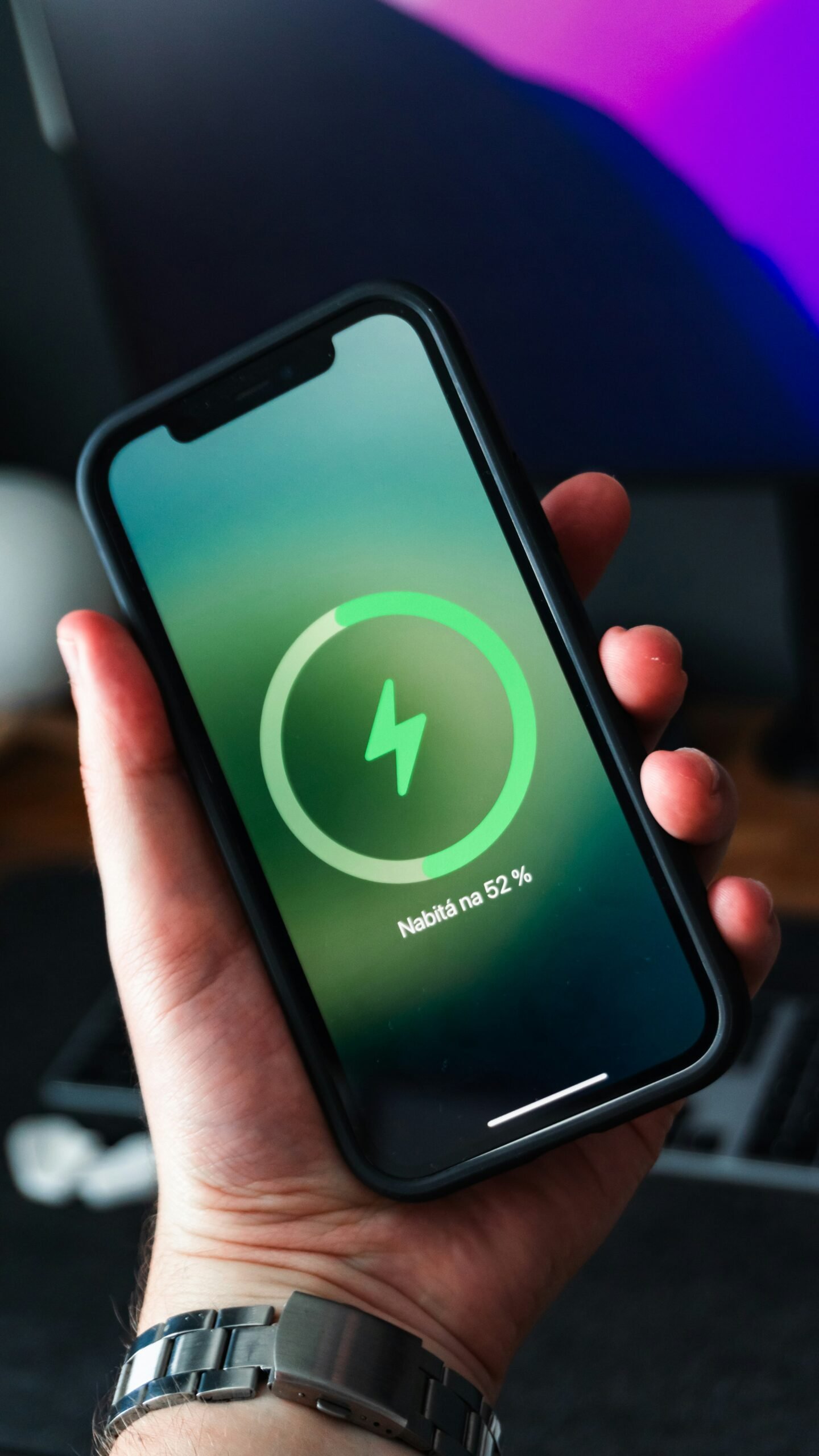
Introduction
Mobile devices are used for communication, work, education, entertainment, and digital services. These devices depend on batteries, and battery usage increases as applications and features expand. Because of this, charging systems have become an essential part of mobile device usage.
Smart fast charging is a system designed to manage charging speed, power delivery, and battery safety. It allows mobile devices to charge efficiently while maintaining battery stability. This system is widely used in smartphones, tablets, and other portable devices.
This article explains smart fast charging, how it works, its components, charging protocols, safety systems, compatibility, usage patterns, and its role in modern mobile technology.
Importance Of Charging Systems In Mobile Devices
Mobile devices require electrical energy to operate. Without proper charging systems, devices cannot function for extended periods. Charging systems affect:
- Device availability
- Battery performance
- User productivity
- Device lifespan
- Energy efficiency
As mobile usage increases, charging systems must handle higher power demand and frequent charging cycles.
Understanding Smart Fast Charging
Smart fast charging is a charging method that adjusts power delivery based on device requirements. It uses communication between the charger and device to control voltage and current.
This system helps:
- Reduce charging time
- Control heat levels
- Protect battery health
- Improve energy efficiency
Smart charging systems are built into modern mobile devices and charging accessories.
How Smart Fast Charging Works
Smart fast charging works through communication and power adjustment.
Device Detection
When a device is connected, the charger identifies its charging capability.
Power Negotiation
The device and charger exchange information to determine supported power levels.
Power Delivery
The charger delivers controlled voltage and current based on device requirements.
Charging Adjustment
Power levels change during charging depending on battery percentage.
Components Of Smart Fast Charging System
Power Adapter
The adapter converts electrical power from the main source into usable output.
Charging Cable
The cable transfers power from charger to device. Cable quality affects charging stability.
Charging Circuit
The charging circuit inside the device controls power intake.
Battery Management System
This system monitors battery condition and regulates charging flow.
Communication Chip
This chip enables communication between device and charger.
Charging Protocols Used In Smart Fast Charging
Different protocols control how devices and chargers communicate.
USB Power Delivery
USB Power Delivery is a universal standard that supports flexible power levels for multiple devices.
Quick Charge Protocol
This protocol adjusts voltage and current to increase charging speed.
Manufacturer Specific Protocols
Some companies use their own charging systems designed for specific devices.
Adaptive Charging Systems
These systems adjust charging speed based on battery condition and temperature.
Role Of Smart Fast Charging In Mobile Use
Smart fast charging supports daily mobile usage by reducing downtime.
Work Use
Devices can be charged during short breaks, supporting continuous work activity.
Travel Use
Mobile devices remain functional during long journeys.
Emergency Use
Battery levels can be restored quickly when needed.
Daily Use
Users can maintain device availability throughout the day.
Battery Interaction With Smart Charging
Mobile batteries interact with charging systems to control energy intake.
Battery systems manage:
- Charging speed
- Temperature levels
- Energy storage
- Charging cycles
This interaction helps maintain battery performance over time.
Safety Mechanisms In Smart Fast Charging
Safety is an important part of charging systems.
Temperature Monitoring
Sensors track heat levels during charging.
Voltage Control
Voltage is regulated to prevent overload.
Current Limiting
Current flow is controlled to avoid battery stress.
Overcharge Protection
Charging stops when the battery reaches full capacity.
Short Circuit Protection
Systems prevent damage caused by electrical faults.
Charging Efficiency Factors
Charging efficiency depends on several factors:
Power Output
Higher power output reduces charging time.
Device Compatibility
Devices must support fast charging protocols.
Cable Quality
High-quality cables improve energy transfer.
Temperature Conditions
High temperature can reduce charging speed.
Types Of Smart Fast Charging Systems
Wired Charging
Wired systems use cables to transfer power directly.
Wireless Charging
Wireless systems transfer power through electromagnetic fields.
Multi Device Charging
Some chargers support multiple devices at the same time.
Portable Charging Systems
Portable systems support charging without fixed power sources.
Importance Of Compatibility
Not all devices support the same charging systems. Compatibility depends on:
- Device hardware
- Charging protocol support
- Cable specification
- Software control system
Using incompatible chargers may reduce performance.
Charging Behavior And User Practices
User behavior affects battery performance.
Common practices include:
- Charging during short intervals
- Avoiding full discharge
- Using certified chargers
- Avoiding heat exposure
Proper usage helps maintain battery condition.
Advantages Of Smart Fast Charging
Reduced Charging Time
Devices reach usable battery levels faster.
Improved Device Availability
Devices remain ready for use throughout the day.
Controlled Power Delivery
Power is adjusted based on device needs.
Better Energy Management
Charging systems improve energy usage efficiency.
Multi Device Support
Some systems support multiple devices.
Limitations Of Smart Fast Charging
Heat Generation
High power transfer creates heat.
Compatibility Issues
Different devices use different charging standards.
Cable Dependence
Specific cables are required for full performance.
Battery Wear
Improper usage may affect long-term battery condition.
Evolution Of Charging Technology
Charging technology has evolved from slow charging systems to intelligent systems.
Earlier systems delivered constant low power. Modern systems adjust power dynamically based on device requirements.
Future systems focus on:
- Improved efficiency
- Reduced heat
- Faster charging
- Universal compatibility
Environmental Considerations
Charging systems affect energy usage. Manufacturers are working on:
- Energy efficient adapters
- Reduced standby consumption
- Recyclable materials
Efficient charging systems help reduce energy waste.
Market Demand For Smart Fast Charging
Demand for fast charging continues to grow due to:
- Increased mobile usage
- Larger battery sizes
- Multiple device ownership
- Dependence on mobile applications
Manufacturers include fast charging in most modern devices.
Future Of Smart Fast Charging
Future charging systems may include:
- Higher power output
- AI based power control
- Improved thermal management
- Universal charging standards
- Faster wireless charging systems
These improvements aim to enhance speed and safety.
Common Mistakes In Charging Usage
Users often make mistakes such as:
- Using low quality chargers
- Using incompatible cables
- Charging in hot environments
- Using damaged accessories
These mistakes may reduce battery performance over time.
Conclusion
Smart fast charging supports modern mobile devices by improving charging speed, controlling power delivery, and maintaining battery safety. It plays an important role in daily mobile usage where devices are used continuously for communication, work, and entertainment.
Charging systems use communication between device and charger to manage voltage, current, and temperature. Battery management systems help maintain stability and performance.
As mobile technology continues to grow, smart fast charging will remain an essential part of device functionality. Future improvements will focus on efficiency, compatibility, and safety.